Prospecting in Manhattan’s Richest Vintage Veins
IT happened only once, but once was enough to fan a flame of desire that has burned ever since. As I ambled past a pile of crumpled clothes at a used clothing sale — a crushed blouse, a wrinkled pashmina, faded “mom jeans” configured in that terrifying ’80s silhouette that could give even Keira Knightley a muffin top — I spotted a rivulet of a familiar pastel in the sea of castoffs.
Gingerly, I picked the pile apart, pinching the barest corner of each grimy garment between thumb and index finger, reluctant to touch them. Who knew where they’d been? Or what sort of person had worn them?
But when I uncovered what lay beneath them, those concerns disappeared like last season’s Paddington bag. Under the pile of offensive and out-of-style rags were the swirling curlicues of an Emilio Pucci mini dress with a structured bodice that riffed on Madonna’s racy Vogue bra.
I caught my breath. It was $5.
Finds like this help thrift and vintage shoppers steel themselves against the onerous task of sifting through racks of vile and/or unfashionable clothing that seem to make up 99 percent of most shops’ inventories.
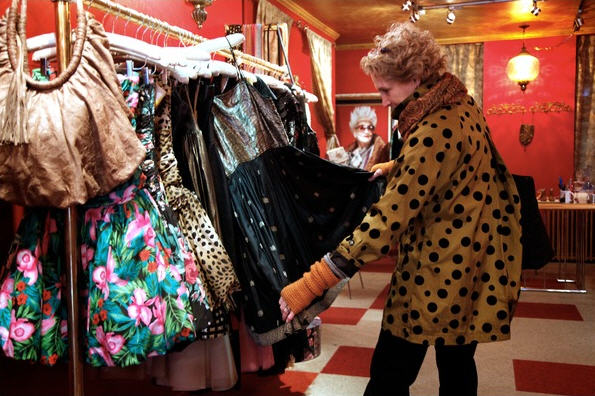
But in Manhattan, a host of vintage and consignment stores have done the work for you, selecting the best used (or more euphemistically, “pre-loved”) clothing and selling it at reasonable rates. Even some of the city’s thrift stores — where goods are sometimes less choice because they are provided by donations from the public — are pleasant, run by staff members who tastefully curate their stock.
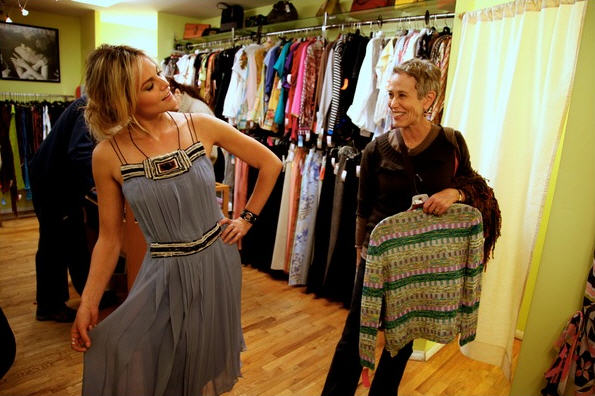
Shops come in several varieties. Some thrift shops are run for profit and some donate proceeds to a particular charity and are run by volunteers. Then there are vintage shops, specializing in retro clothing, often from a spectrum of eras. Finally there are consignment stores, where owners drop off their unwanted clothing to be sold, sharing a percentage of the profit with the store’s proprietor. The price typically goes down the longer the item remains unsold.
But when I uncovered what lay beneath them, those concerns disappeared like last season’s Paddington bag. Under the pile of offensive and out-of-style rags were the swirling curlicues of an Emilio Pucci mini dress with a structured bodice that riffed on Madonna’s racy Vogue bra.

I caught my breath. It was $5.
Finds like this help thrift and vintage shoppers steel themselves against the onerous task of sifting through racks of vile and/or unfashionable clothing that seem to make up 99 percent of most shops’ inventories.
But in Manhattan, a host of vintage and consignment stores have done the work for you, selecting the best used (or more euphemistically, “pre-loved”) clothing and selling it at reasonable rates. Even some of the city’s thrift stores — where goods are sometimes less choice because they are provided by donations from the public — are pleasant, run by staff members who tastefully curate their stock.

Shops come in several varieties. Some thrift shops are run for profit and some donate proceeds to a particular charity and are run by volunteers. Then there are vintage shops, specializing in retro clothing, often from a spectrum of eras. Finally there are consignment stores, where owners drop off their unwanted clothing to be sold, sharing a percentage of the profit with the store’s proprietor. The price typically goes down the longer the item remains unsold.
Add your comment


